Governments, Cities & Communities
Programs and projects related to regional and community development, innovation infrastructure, tourism, family initiatives, research, events, and stakeholder collaboration.
FAMILY ENTERTAINMENT RESEARCH
Research, data, and practical frameworks by Maksim Godovykh on family entertainment centers and activity parks, family behavior, repeat visitation, experience design, development strategy, operations, and new concepts.
RESEARCH LIBRARY
Individual research pages organize the publications in a consistent format and provide access to the original article and PDF when available.
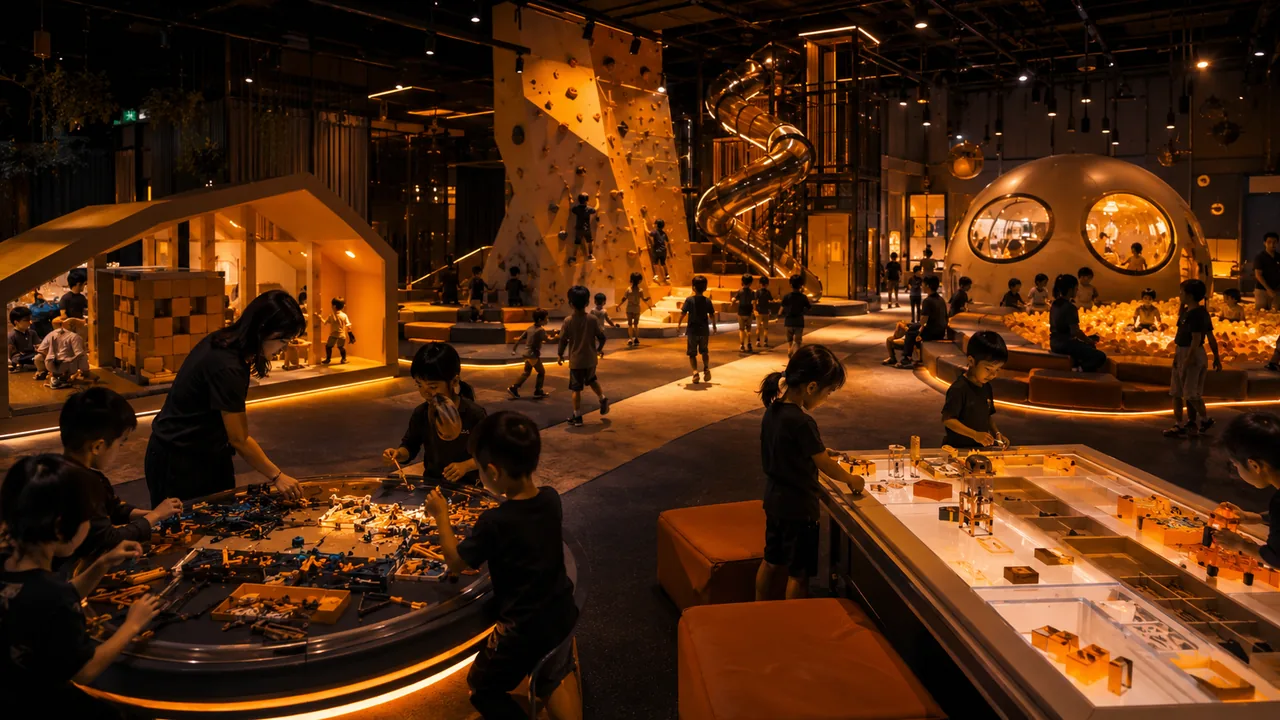
Family entertainment parks can have great attractions and still deliver a weak overall experience. The FEC Gap framework looks beyond individual equipment to identify the deeper problems that affect repeat visits, family value, development, and long-term performance.
Read research →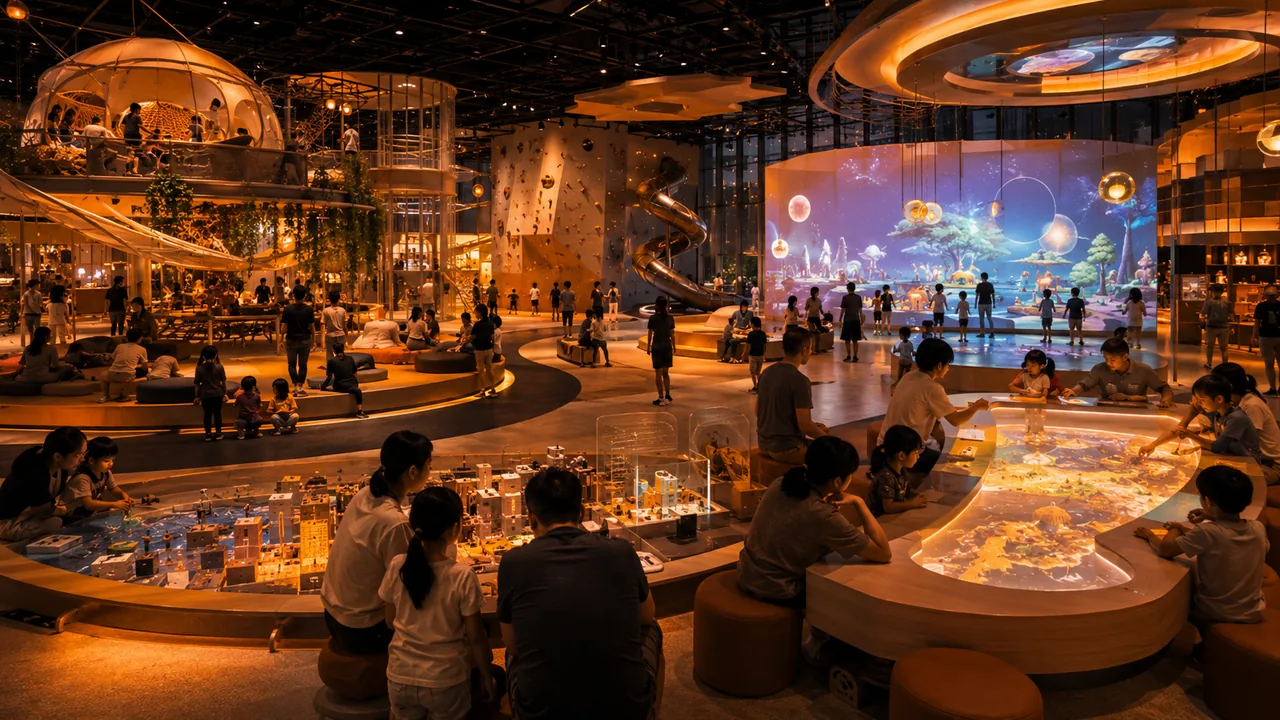
Why are children naturally attracted to climbing, jumping, slides, obstacles, exploration, and repetition? Developmental science helps explain why physical play is so powerful—and how family entertainment parks can make it even more valuable.
Read research →
Family entertainment can move beyond novelty decay, static attractions, passive parent experiences, fragmented layouts, weak programming, and underused technology toward a more adaptive, development-rich model built for repeat visitation.
Read research →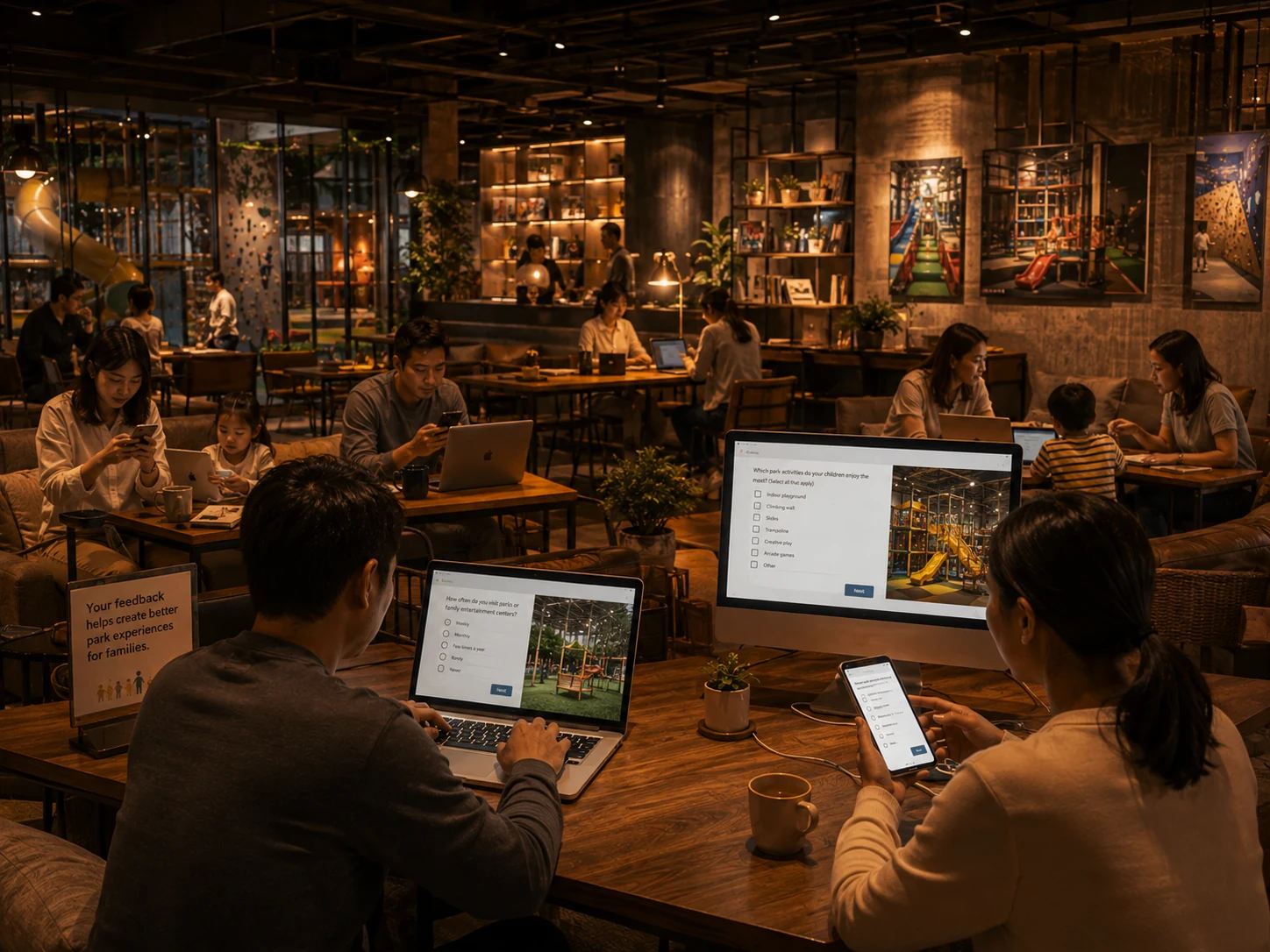
What makes families return to an entertainment center again and again? Preliminary interview findings suggest that the answer is much broader than simply adding more rides, trampolines, games, or attractions.
Read research →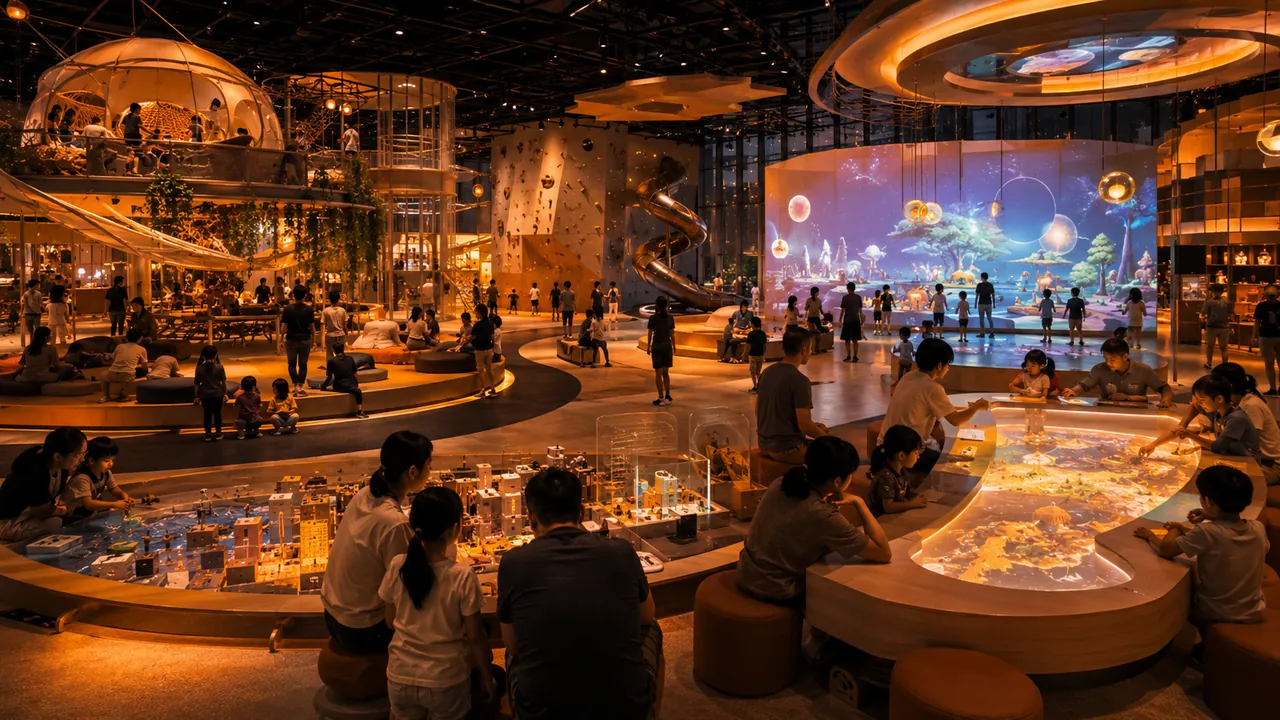
The next generation of family entertainment parks will not be defined by more screens, robots, or futuristic decoration. The real transformation is from a fixed attraction venue into an adaptive family experience platform.
Read research →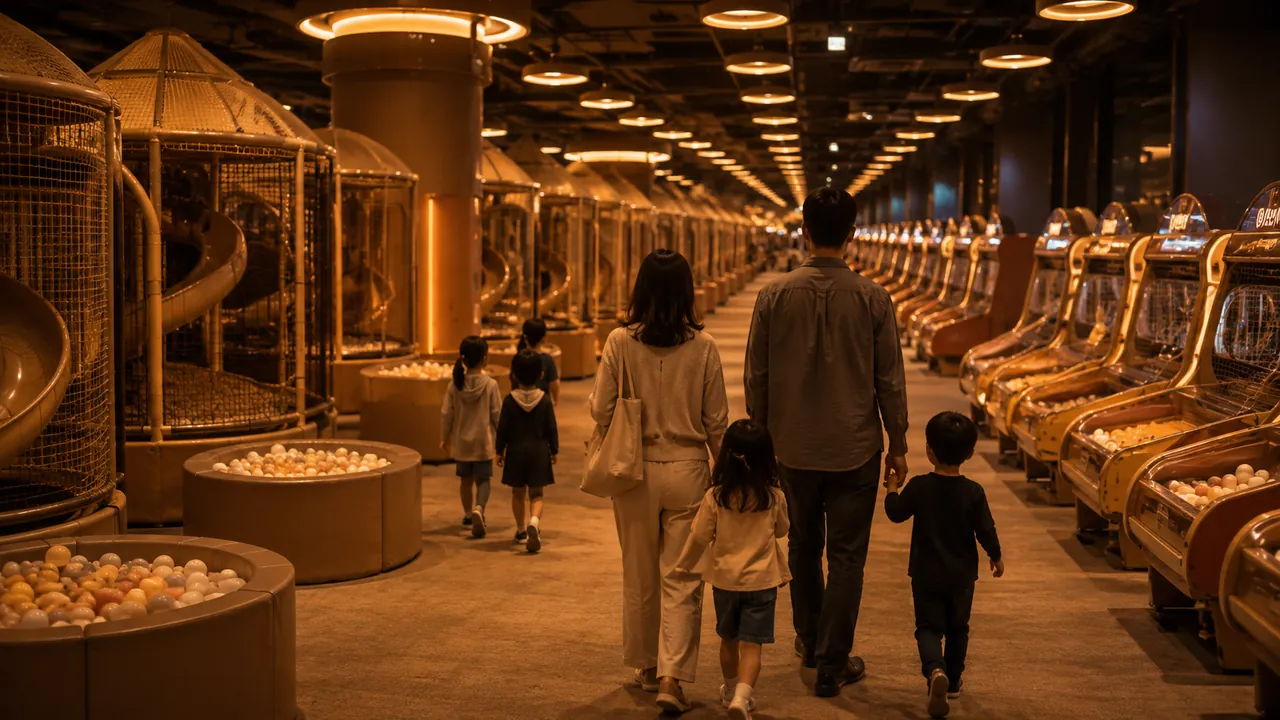
An attraction can remain mechanically perfect while becoming psychologically old. Novelty decay explains why repeat visitors lose interest—and how parks can create something new without constantly replacing equipment.
Read research →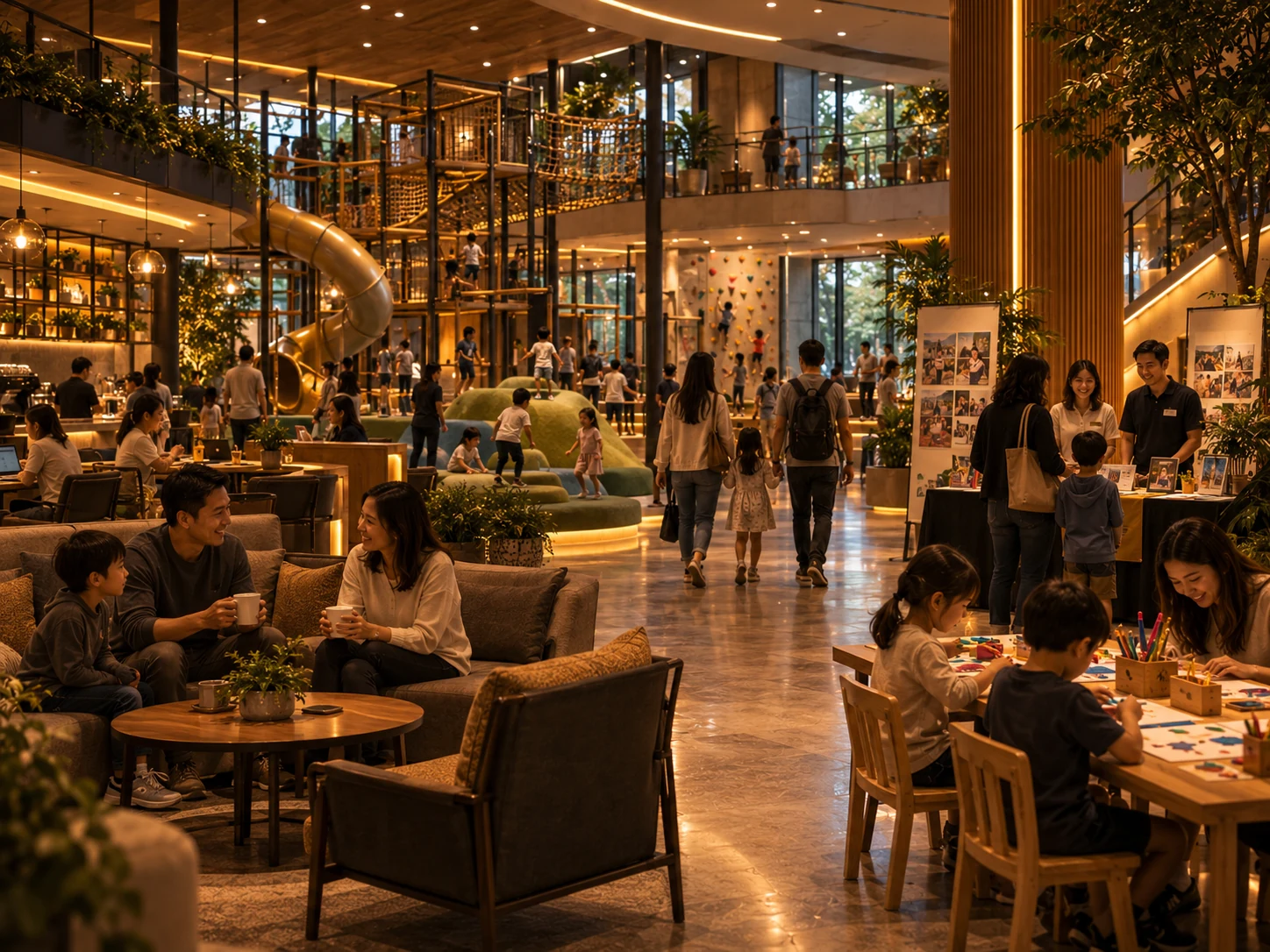
Family entertainment centers and family events can become part of community infrastructure by helping attract family residents, strengthen attachment, support child development, and create repeatable reasons for families to participate.
Read research →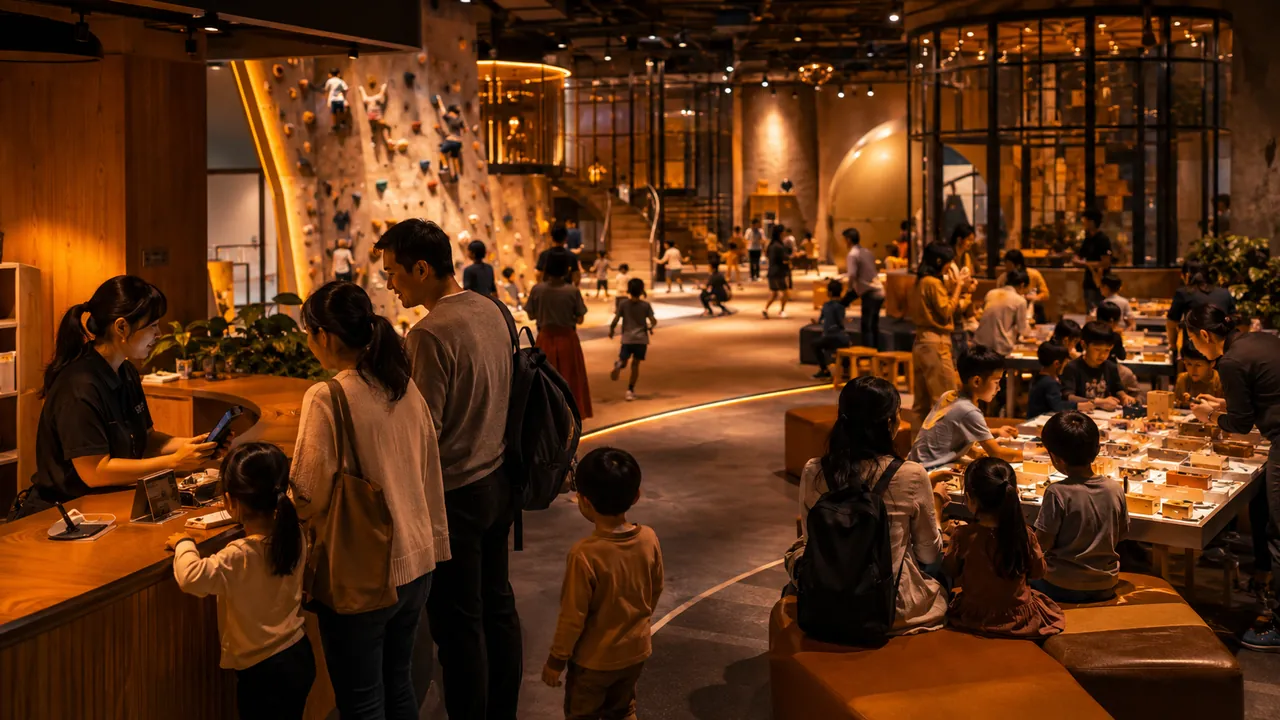
Many activity parks are designed around a simple assumption: children play while parents wait. Better family entertainment should create value for both sides of the family.
Read research →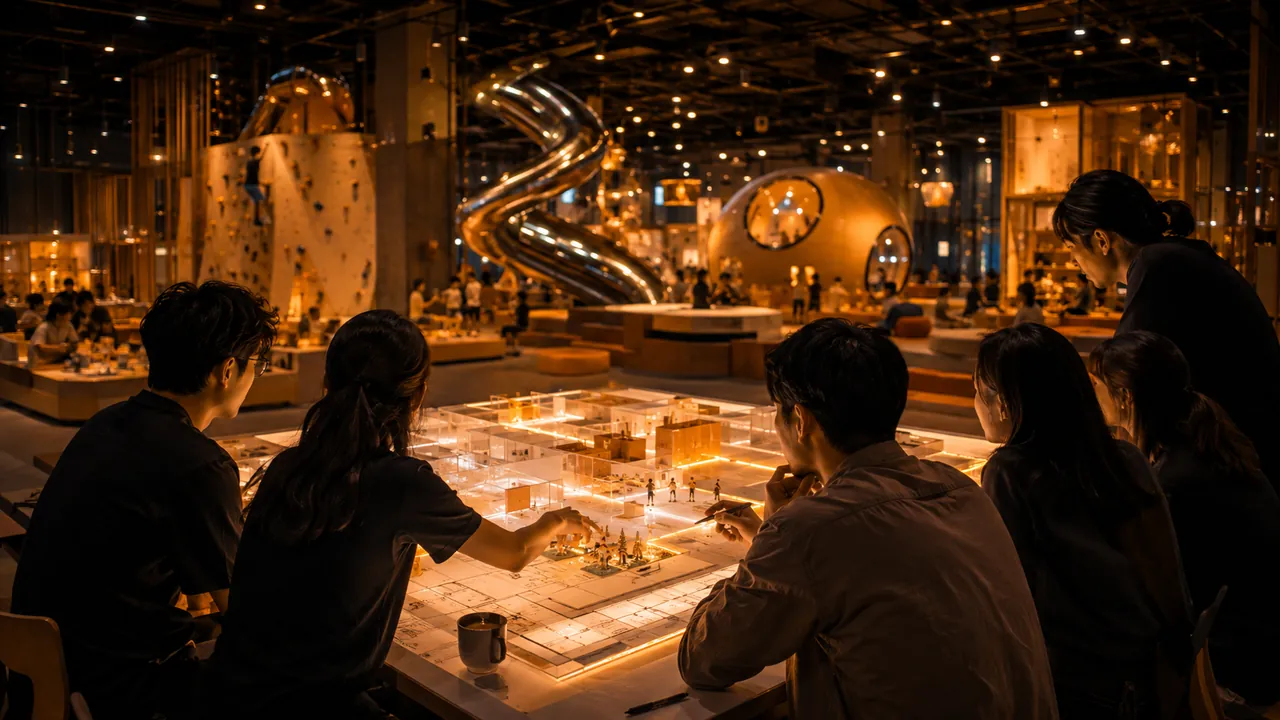
Family entertainment parks should be designed as journeys, not collections of equipment. Every attraction should have a role in the larger family experience.
Read research →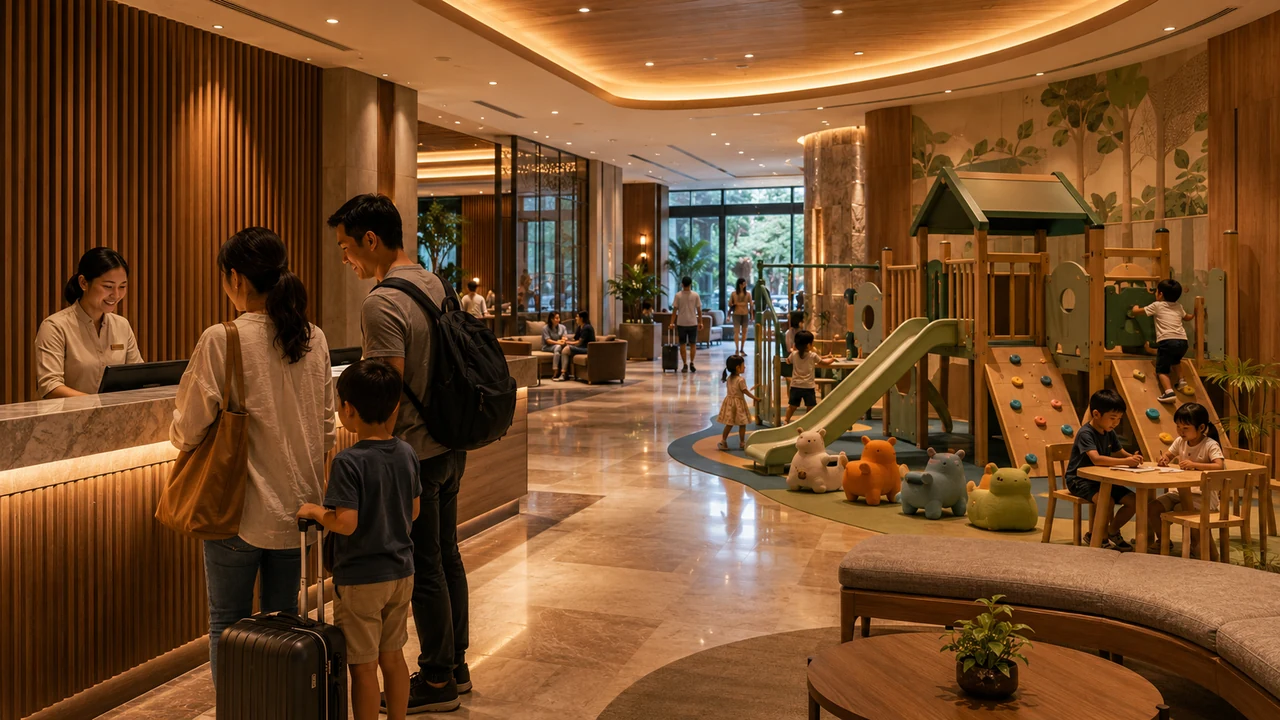
Child-centered amenities and experiences can strengthen family satisfaction, positive emotions, reviews, revisit intentions, and loyalty when they are integrated into the whole hotel experience.
Read research →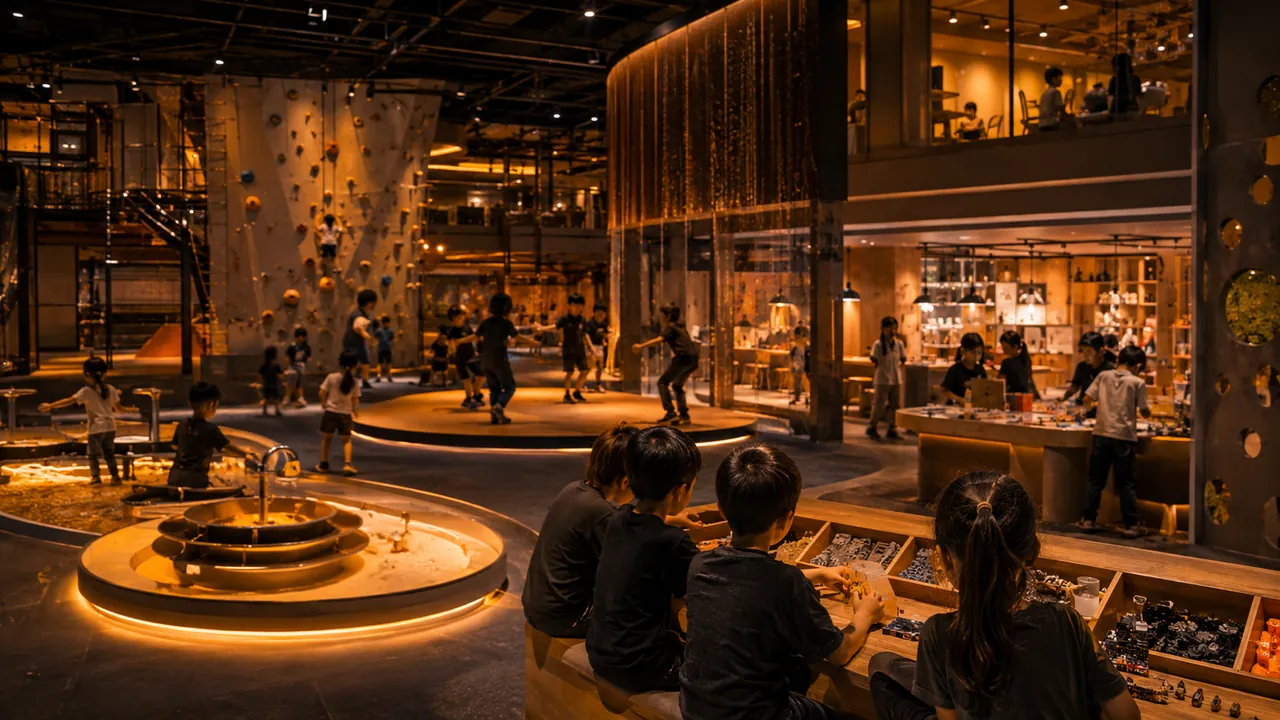
Families do not choose parks, tickets, food, memberships, and return visits through perfectly rational calculations. Understanding real decision-making can make FEC pricing and experiences simpler and better.
Read research →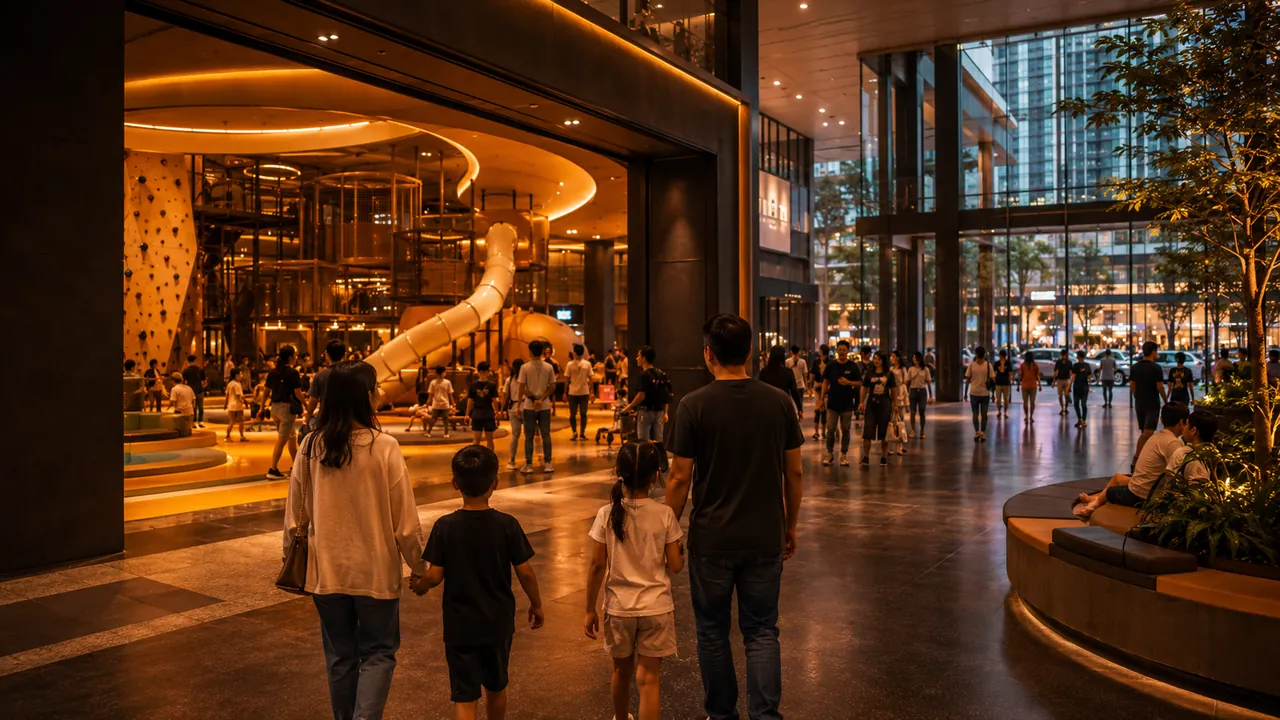
A family entertainment park has at least two customers: the child who wants to return and the parent who decides whether the family actually will.
Read research →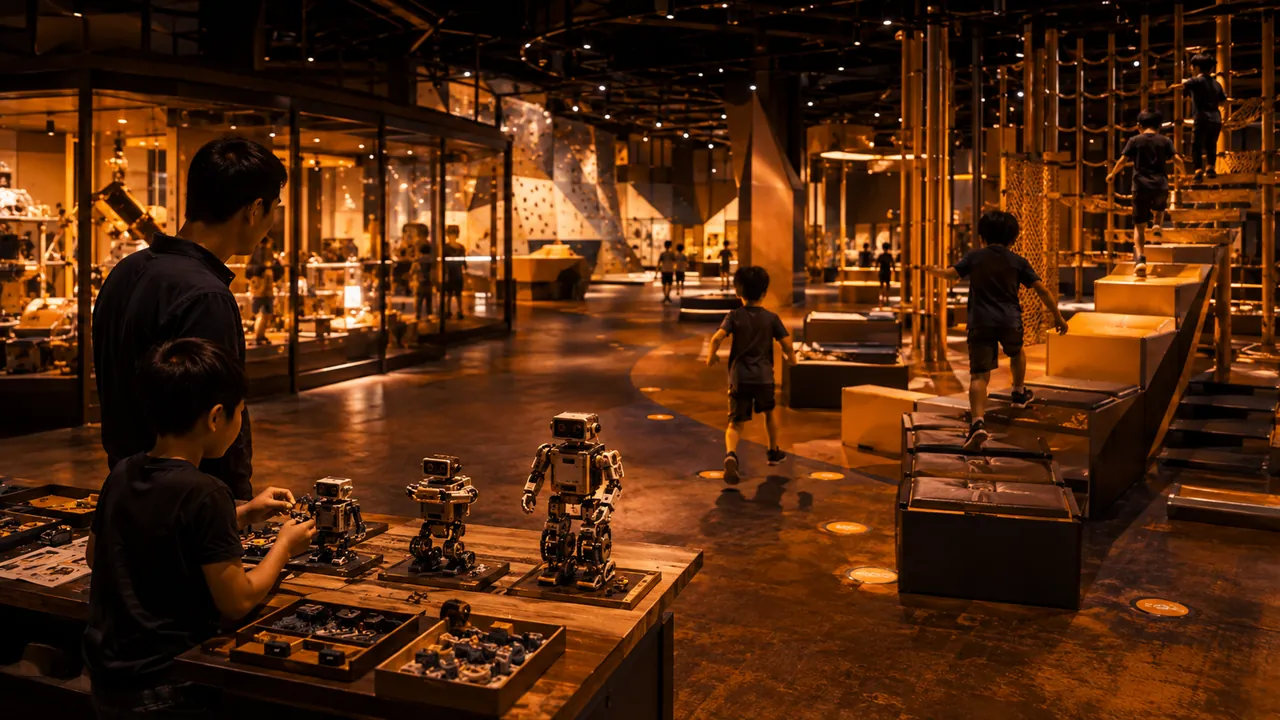
Family entertainment parks constantly change prices, layouts, attractions, programs, and packages. Treating these changes as structured experiments can turn everyday operations into a continuous improvement system.
Read research →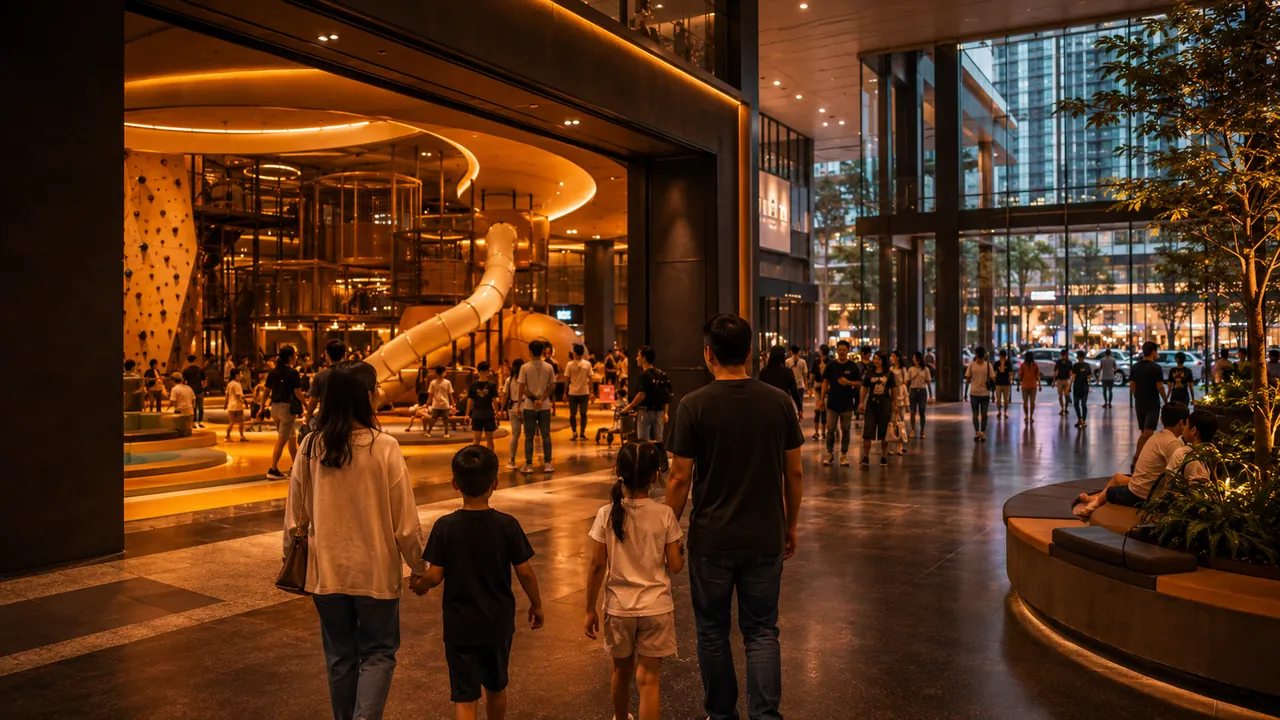
There is no universally perfect FEC location. The best property is the one that fits the specific concept, target family, visit frequency, attraction mix, building, and capital model.
Read research →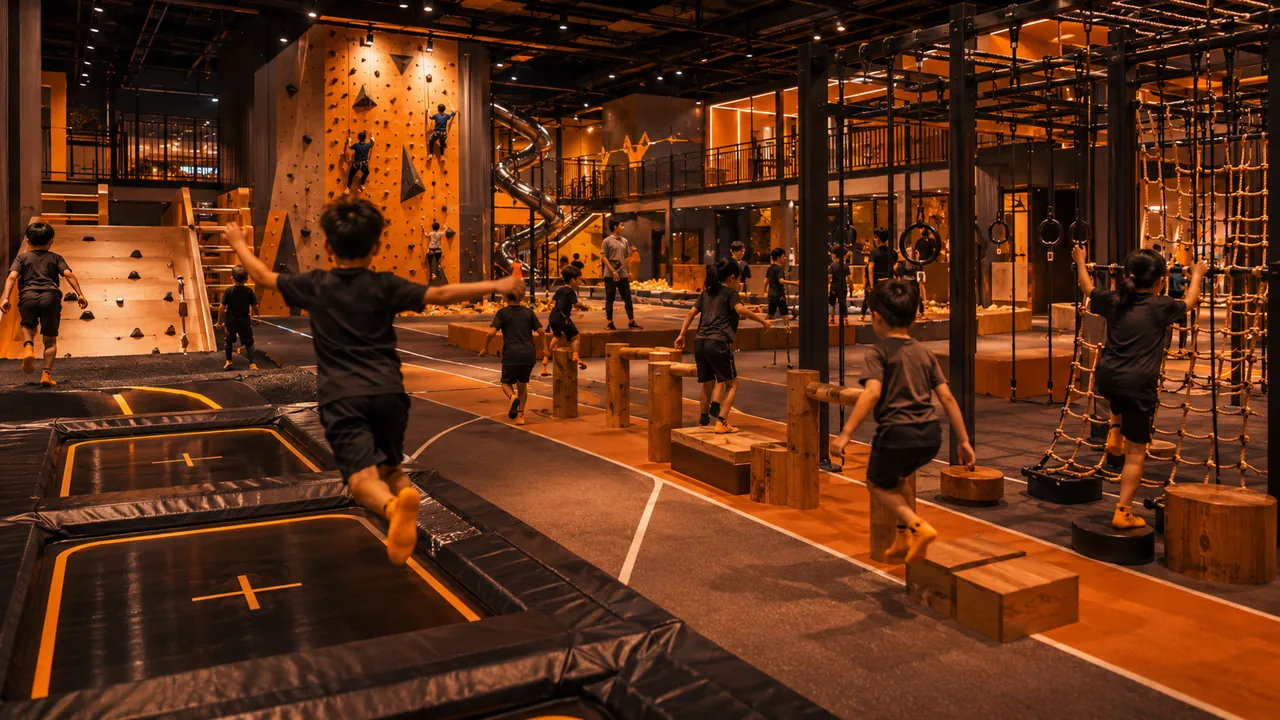
What is the best FEC attraction? There is no reliable universal answer. Attractions should be compared across demand, capacity, space, investment, labor, repeat use, and their contribution to the total family experience.
Read research →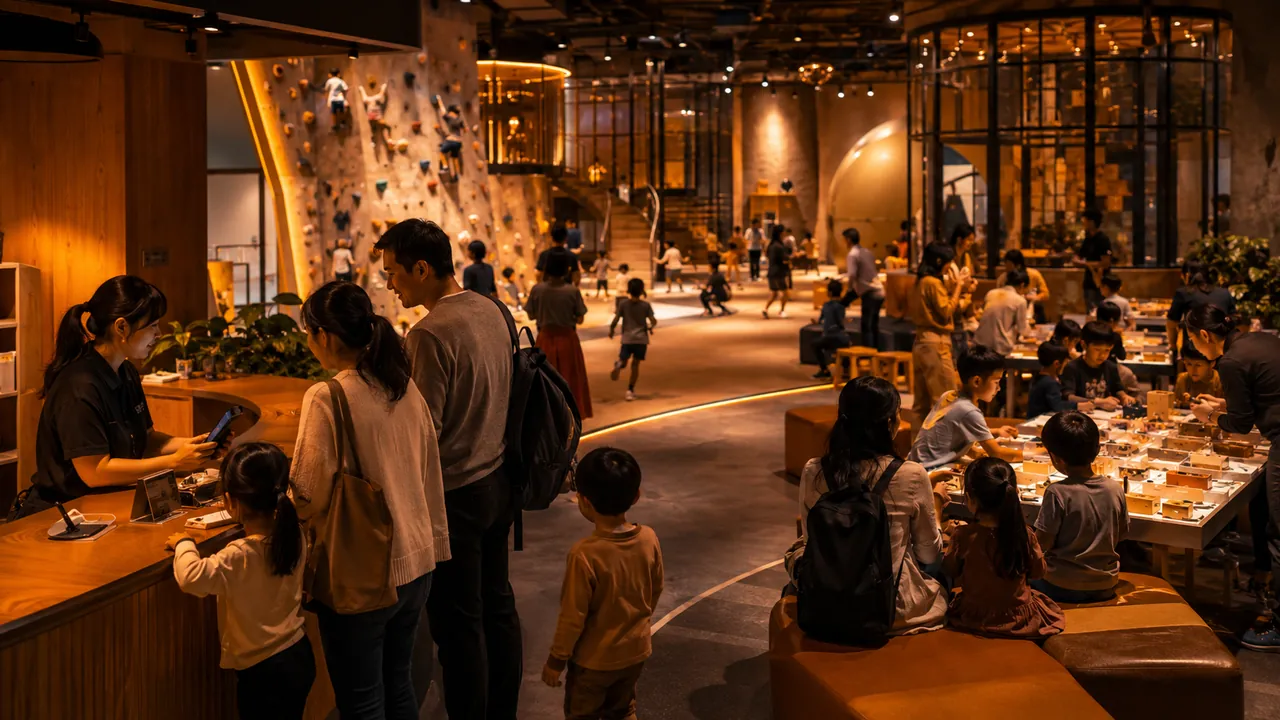
Families often say they want healthier and more diverse food, yet familiar choices remain powerful. The best FEC menu must balance what families buy with quality, kitchen complexity, party operations, and parent experience.
Read research →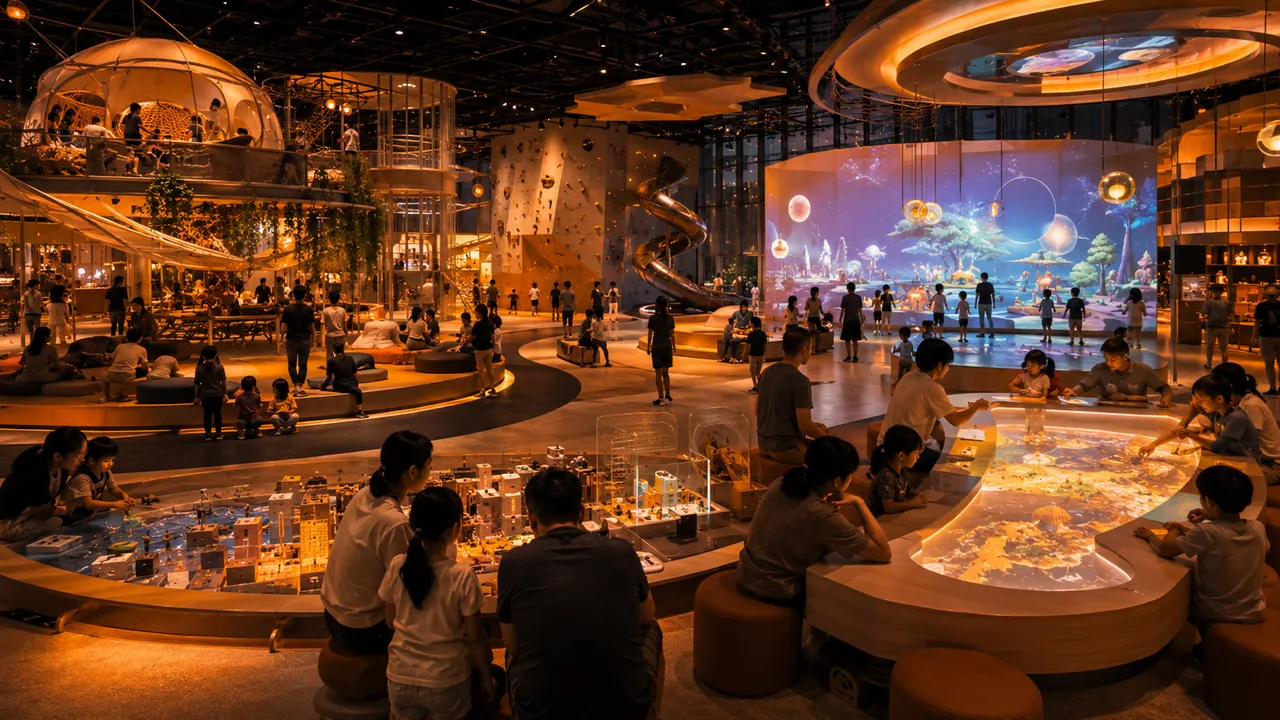
Malls, hotels, resorts, multifamily communities, downtowns, and tourism destinations do not always need a full FEC. They can attract families through a connected system of events, programming, smaller concepts, and recurring experiences.
Read research →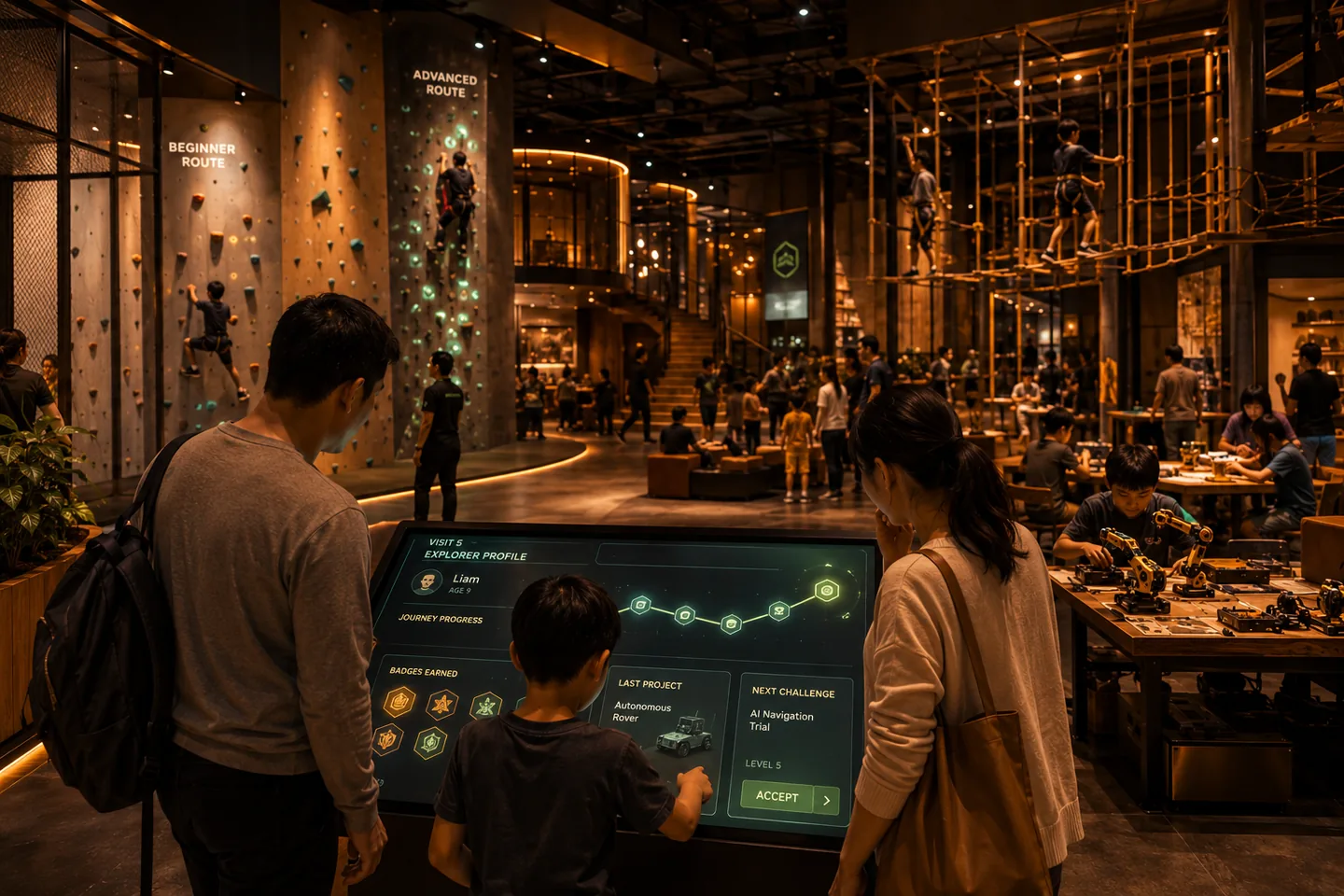
Repeat visits become more valuable when children can continue projects, advance through challenges, develop mastery, and see visible progress instead of restarting the same experience every time.
Read research →SELECTED BOOKS
Selected books cover management, research, innovation development, family-friendly experiences, and many other topics.
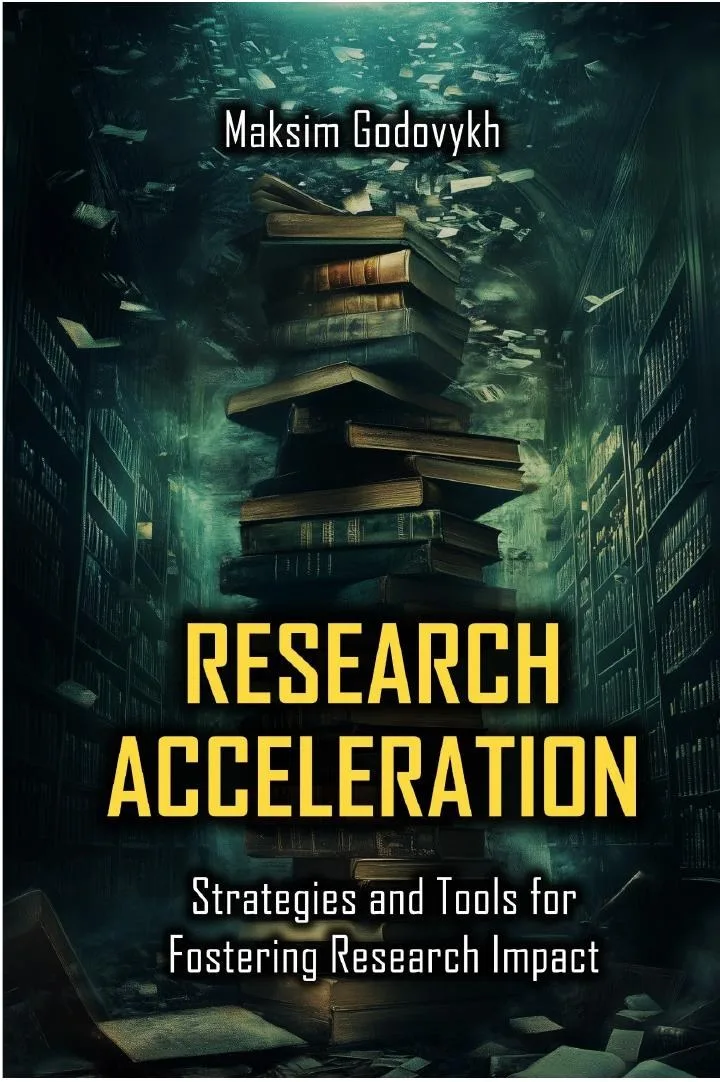
Strategies and Tools for Fostering Research Impact.
Read the full book →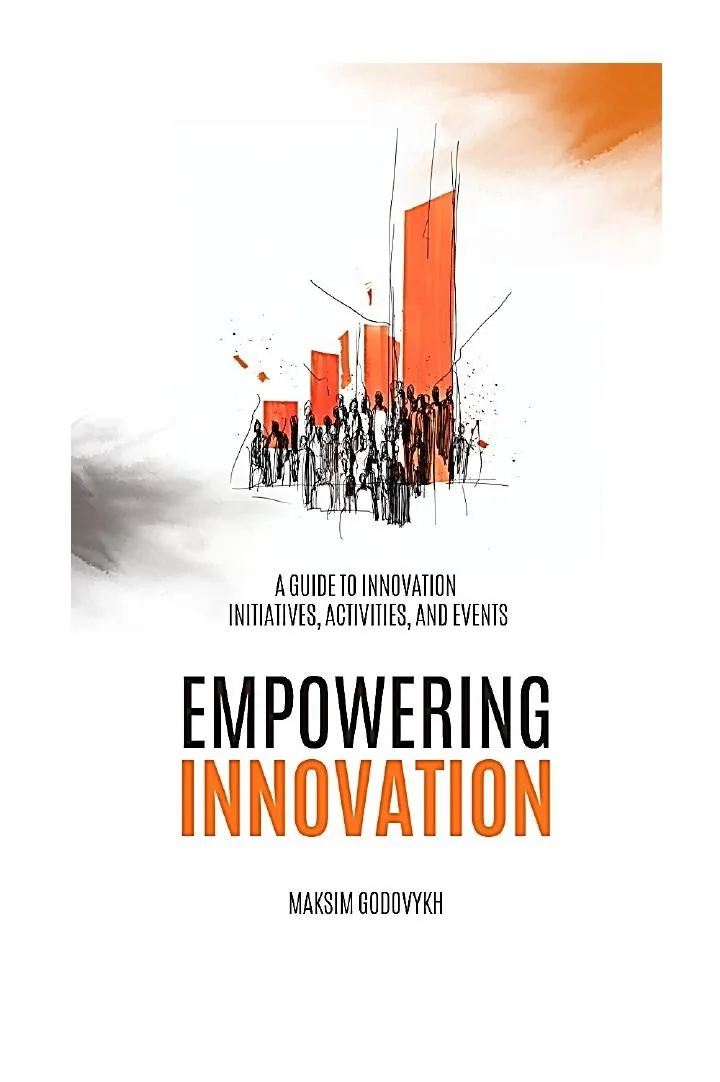
A Guide to Innovation Initiatives, Activities, and Events.
Read the full book →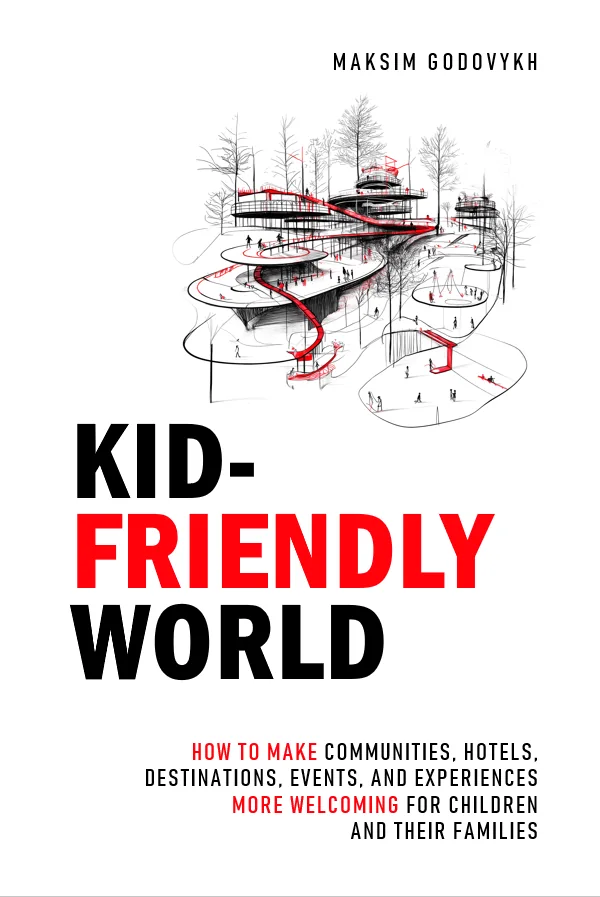
How to Make Communities, Destinations, Hotels, Events, and Experiences More Welcoming for Children and Their Families.
Read the full book →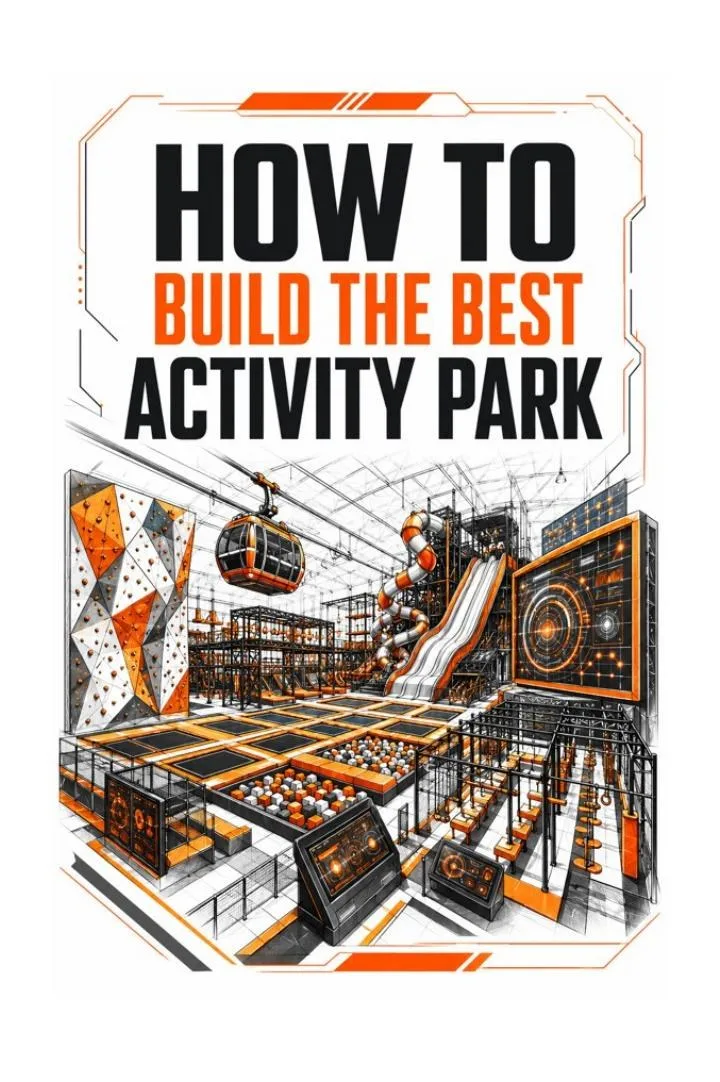
A Complete Guide for Owners, Operators, Investors, and Franchisees.
Read the full book →Other books: Event Evaluation, Tourism Impacts, Measuring Patient Experience in Healthcare, Events by Kids, Booking Experience, Event Experience, Parents & Kids, U-Shape of Life
CONTACT
You can contact Maksim using the contact form. Please provide details about the project, organization, opportunity, location, and other relevant information in the message field.