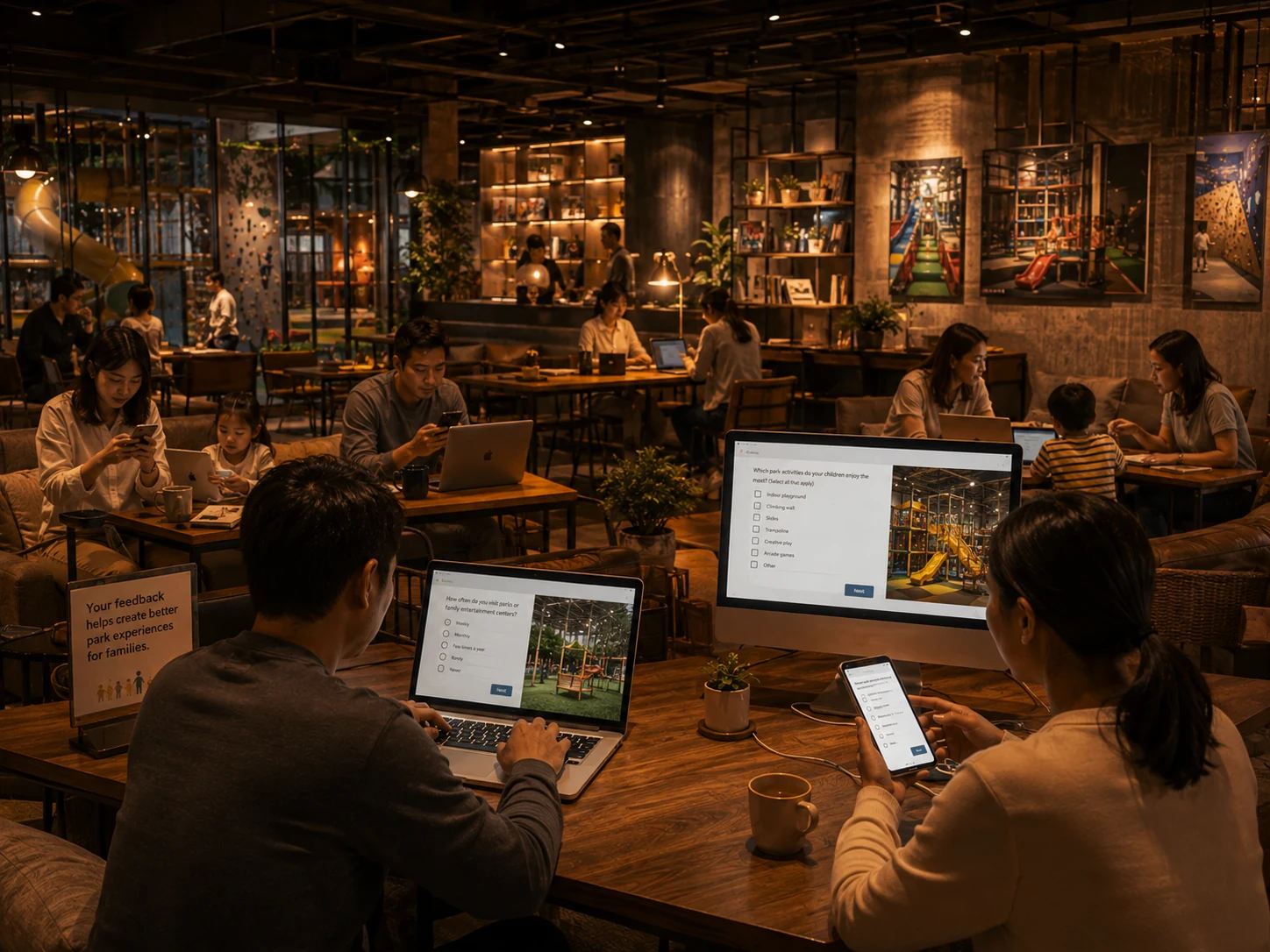
Our latest qualitative interviews with parents suggest that the answer is much broader than simply adding more rides, trampolines, games, or attractions. Families evaluate the whole experience: what the visit costs, whether children of different ages can enjoy it, whether parents have something meaningful to do, how comfortable and safe the environment feels, and whether there is a new reason to come back.
Affordability Is About Frequency
Price emerged as one of the strongest barriers to repeat visits. Families are not only concerned about admission; they consider the combined cost of tickets, activities, food, and multiple children.
Parents suggested family packages, loyalty rewards, free visits, short-duration tickets, and the ability to leave and return rather than purchasing an all-day pass. One respondent proposed “half hour options” so the family could enjoy the entertainment center while still visiting the food court, shopping, or doing other activities in the mall.
This suggests that operators should think not only about price, but about value architecture: how pricing can make frequent visits feel financially reasonable.
Different Ages Need Different Levels of Challenge
Families with several children often struggle to find one venue that works for everyone. Some attractions feel designed mainly for young children, while older children quickly become bored. Other environments may be too intense for small children.
Parents proposed separate but connected areas, with safer play for younger children and more difficult climbing, obstacle, athletic, interactive, and challenge-based activities for older children.
The opportunity is not simply to create age zones, but to build progressive levels of challenge.
Parents Need an Experience Too
A major theme was the lack of value for adults. Parents frequently spend several hours watching, standing, following children, or waiting.
Interviewees suggested comfortable seating, viewing areas, quieter spaces, lounges, working tables, co-working areas, drinks, and activities parents can do together with their children. One respondent specifically asked for “meeting and waiting spaces, co-working spaces, collaboration activities with kids.”
This suggests three different parent modes that a venue should support: participating, observing and recovering, or using the time productively.
Return Visits Require Something to Change
Children can quickly exhaust a static attraction mix. Parents described rotating between different entertainment venues simply because children become bored.
Suggested solutions included rotating attractions, seasonal programming lasting several weeks, special events, character appearances, themed nights, challenge nights, concerts, festivals, workshops, and continuously refreshed activities.
An especially interesting idea from the expanded interviews is to add progression: levels, certificates, challenges, competitions, trophies, and other achievements that children can continue working toward during future visits.
Instead of asking, “What can I do again?” the child begins asking, “What can I achieve next?”
Families Want to Play Together
Parents also emphasized shared experiences. They mentioned parent-child activities, team games, social interaction with friends, teen socials, school partnerships, and group activities rather than isolated screen time.
One respondent described “games and activities designed for groups rather than isolated screen time,” while another said family activities are better “when we can all do activities together.”
For teenagers especially, friends, school programs, passions, and social interaction may become more important return drivers than traditional play equipment.
Food, Safety, Cleanliness and Comfort Are Part of the Product
Parents do not separate entertainment from operations as much as operators sometimes do. Food quality, bathrooms, cleanliness, noise, queues, crowds, safety, parking, reservations, and staff behavior all influence whether the family wants to return.
The expanded responses particularly strengthen concerns about security, disruptive behavior, crowd control, clear sightlines, and comfortable family environments.
Quiet or private spaces also emerged as an opportunity, especially as a counterbalance to the loud, high-stimulation environments typical of many indoor parks.
From Entertainment Center to Family Platform
Perhaps the most interesting new idea in the expanded interviews is that some parents expect large family entertainment spaces to do more than provide play.
They proposed combinations of physical activity, STEM, engineering, art, music, makerspaces, creative activities, workshops, competitions, social interaction, parent involvement, and visible child achievement. One respondent described wanting a center that could support physical development, exercise, brain development, creativity, workshops, and even preparation for future education within the same environment.
This points toward a broader model for the next generation of family entertainment.
The opportunity is not simply to build more things to do. It is to create a place that solves more of the family's needs during the same visit: play, movement, development, creativity, social connection, food, recovery, parent productivity, and reasons to continue returning.
Source: Qualitative website interview responses collected in August 2026 on research.futureexperiencepark.com/#family-interview.